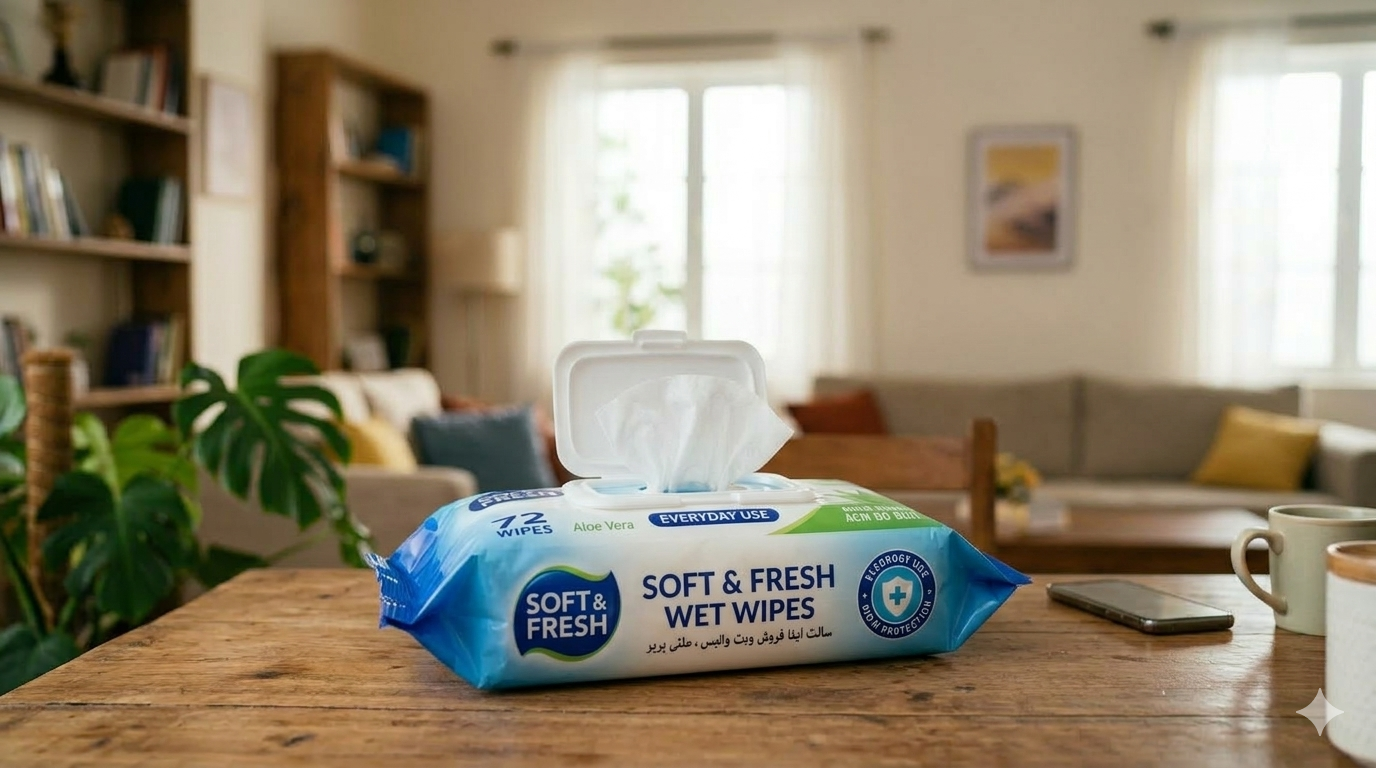
Understanding Wet Wipes and Why They Are So Popular
Wet wipes have become an essential hygiene product in modern life. A simple wet tissue, wet napkin, or wet toilet paper wipes can quickly clean hands, surfaces, or skin when soap and water are not available. Many households keep a box of wipes, a pack of wipes, or even a case of wipes for convenience in bathrooms, kitchens, cars, and travel bags. Parents rely heavily on baby wipes bulk purchases, while adults often use wet wipes for adults or personal hygiene wipes for daily cleanliness.
The popularity of wet wipes continues to grow because they provide fast sanitation and comfort. Products like wet ones hand wipes, wet ones antibacterial hand wipes, and kleenex antibacterial wet wipes are designed for disinfecting hands when outside the home. At the same time, sanitation wipes, cleaning wipe, and floor wet wipes help maintain cleanliness in households. Whether someone uses wet wipes hand, wet wipes bathroom, or wet wipes singles while traveling, the convenience makes them a staple product worldwide.
Types of Wet Wipes Available Today
The market offers a wide range of wipes designed for different needs. Parents often choose pampers wet wipes, huggies wet wipes, waterwipes baby wipes, or kirkland baby wipes ingredients based products for infants. These products are often marketed as safe baby wipes, natural baby wipes, organic baby wipes, or chemical free wipes to reassure parents about their child’s safety. Many also look for best baby wipes for newborns, best baby wipes for sensitive skin, or best wet wipes for newborn options that are gentle enough for delicate skin.
Adults also have specialized products such as adult wipes, adult wet wipes, disposable wipes for adults, and bath wipes adult. These products provide hygiene support for elderly individuals, caregivers, and those who need quick cleansing without bathing. Some brands offer large wipes for adults, extra large wet wipes, or fit right wet wipes for better coverage. Similarly, women may prefer wipes for women or toilet wipes for women designed specifically for personal care and comfort.
There are also disinfecting wipes such as clorox disinfecting wet wipes, lysol disinfecting wet wipes, and seventh generation wet wipes designed for surface cleaning. Household cleaning tasks can also be handled using swiffer wet wipes, swiffer wet jet wipes, or toilet cleaning wipes. These wipes help sanitize kitchen counters, bathroom surfaces, floors, and even delicate items like glasses wet wipes or zeiss wet wipes for eyewear cleaning.
Wet Wipes Ingredients and Materials
Consumers increasingly want to know what are wet wipes made of before purchasing them. Most wipes consist of nonwoven fabric combined with a liquid solution containing water, preservatives, and cleansing agents. The fabric is often produced using viscose and polyester raw material for wet wipes, which helps create strong yet soft cloth-like wipes that remain durable even when wet.
The liquid portion usually includes purified water along with mild cleansing ingredients. Some brands advertise water wipes ingredients, water only wipes, or just water wipes to appeal to parents seeking minimal ingredients. Products such as water based wipes, water baby wipes, and sterile water wipes are especially popular for infants because they reduce the risk of irritation.
Other wipes may contain specialized compounds such as butoxy peg-4 pg-amodimethicone, moisturizers, or mild fragrances. However, many consumers prefer fragrance free wipes, unscented wipes, or non toxic wipes. Environmentally conscious shoppers often choose plant based wipes, biodegradable baby wipes, eco friendly wet wipes, or biodegradable wet wipes that break down more easily and reduce environmental impact.
Best Baby Wipes and Sensitive Skin Options
Choosing the best wipes for sensitive skin can be challenging for parents. Babies have delicate skin that can easily react to chemicals, fragrances, or alcohol-based ingredients. As a result, many families search for best natural baby wipes, best organic wipes, best eco-friendly baby wipes, or best biodegradable baby wipes when purchasing hygiene products for their children.
Products marketed as healthy baby wipes, clean baby wipes, and cleanest baby wipes are typically designed to avoid harsh chemicals. Parents often compare brands such as water wipes vs honest wipes or review safety scores from sources like ewg baby wipes and ewg verified wipes. These comparisons help families determine which wipes provide the safest balance between cleanliness and skin protection.
Another important factor is skin sensitivity. Products labeled hypoallergenic wet wipes, hypoallergenic toilet wipes, or gentle wipes for diaper rash are specifically designed to reduce irritation. Parents may also choose dry wipes for newborns that can be moistened with water when needed, giving them greater control over the ingredients touching their baby’s skin.
Flushable Wet Wipes and Toilet Hygiene
Flushable wipes have become increasingly popular for bathroom hygiene. Products like charmin flushable wet wipes, flushable toilet wipes, and flushable personal hygiene wipes promise convenience and cleanliness. Many adults prefer best flushable wipes, best flushable wipes for adults, or flushable wet wipes for adults because they offer a more refreshing alternative to dry toilet paper.
However, there is ongoing debate about whether are wet wipes flushable in real plumbing systems. Even wipes labeled septic safe wet wipes, rv flushable wipes, or biodegradable flushable wipes may still cause blockages if used excessively. Consumers often ask questions like can you flush wet wipes or look for non toxic flushable wipes that minimize plumbing risks.
Because of these concerns, some people prefer alternatives like wet wipes as toilet paper, personal wipes flushable, or simply disposing of wipes in the trash instead of flushing them. Products like flushable water wipes, individual wipes flushable, and individually wrapped flushable wet wipes provide portability while maintaining hygiene standards in public or travel situations.
Travel, Convenience, and Portable Wipes
Wet wipes are also extremely useful for travelers. Small packaging options such as travel size wet wipes, individual wet wipes, or individually wrapped wipes allow people to carry them easily in bags or pockets. Parents often keep travel size diaper wipes or baby hand wipes in diaper bags for quick cleanups during trips.
Air travelers often ask questions such as can you bring wet wipes on a plane, can you take wet wipes on a plane, or do wet wipes count as liquid tsa. In most cases, wipes are allowed because they are not considered a liquid under tsa wet wipes guidelines. This makes them useful for maintaining hygiene during flights or long journeys.
Portable wipes are also widely used in restaurants and outdoor activities. Products such as wet naps, wet ones towelettes, and individual wet ones wipes are commonly distributed at events or included with takeout meals. These convenient wipes help maintain cleanliness when washing facilities are not easily accessible.
Specialty Wet Wipes for Unique Uses
Beyond personal hygiene, many wipes are designed for specialized uses. For example, pet owners may use wet wipes for cats or malacetic wet wipes for dogs to maintain their pets’ hygiene. These wipes help clean fur, paws, and sensitive skin areas safely without requiring a full bath.
Some wipes are designed for home cleaning and maintenance. Examples include heavy duty wet wipes, sanitizing wipes, floor wipes wet, and clean ones cleaning products. These wipes can remove dirt, grease, or bacteria from surfaces quickly and conveniently.
There are also specialized wipes such as perfume wipes, glasses wet wipes, and wet wipe marker cleaning wipes used in offices or technical settings. Some industries even use private label wet wipes manufacturers to produce customized wipes for businesses, hospitals, or commercial cleaning services.
Eco-Friendly and Non-Toxic Wet Wipe Alternatives
Environmental concerns have increased awareness about wipe disposal and sustainability. Traditional wipes often contain plastic fibers that take years to break down. As a result, many consumers search for eco friendly baby wipes, toxic free wipes, nontoxic wipes, or biodegradable flushable wipes when making purchasing decisions.
Sustainable alternatives include tencel wipes, organic wipes, and plant based wipes made from renewable materials. Some families even create homemade wet wipes or diy wet wipes using soft cloth and natural cleaning solutions. These alternatives reduce waste while still providing effective cleaning.
Another emerging trend involves wet wipe alternative safe products such as reusable cloth wipes or water wiping techniques that rely on simple water-based cleaning rather than chemical solutions. These eco-friendly solutions are gaining popularity among environmentally conscious households.
Storage, Packaging, and Dispensers
Wet wipes are available in various packaging options designed for convenience and hygiene. Many households store wipes in wipes in a box, wet wipes dispenser box, or a wet wipe container that keeps them moist and ready for use. Travel packs often come in wet packages or wipe pack designs that fit easily in bags.
Larger homes or commercial settings may install a wall mounted wet wipe dispenser or a dispenser for wet wipes in bathrooms or kitchens. These dispensers ensure easy access while preventing contamination. Products like wet wipes holder, wet wipes case, or wipes pack also help organize wipes in homes or offices.
Retail stores such as walgreens wipes, wipes at walgreens, wet wipes target, alcohol wipes target, and cvs wipes provide convenient purchasing options. Wholesale buyers may also purchase bulk wipes, packs of wipes, or wet wipes bulk buy packages from stores like sams wipes, sam’s club wipes, or members mark wet wipes.
Conclusion
Wet wipes have evolved into a versatile hygiene product used for everything from baby care and personal hygiene to household cleaning and travel sanitation. Whether someone chooses kirkland wet wipes, equate wet wipes, pampers wet wipes box, or water wipes for newborns, the variety available today ensures that consumers can find a product suited to their needs.
At the same time, increasing awareness about ingredients, environmental impact, and plumbing safety encourages shoppers to choose wipes carefully. Products such as non toxic wet wipes, biodegradable wet wipes, fragrance free wipes, and water based wipes offer safer and more sustainable alternatives.
As innovation continues in the hygiene industry, wet wipes will likely remain a staple household product. However, responsible usage, proper disposal, and thoughtful product selection will be key to ensuring both personal cleanliness and environmental sustainability.
Read Again wet wipes